


Improving Woodwork Elements at Home: Ideas and Tips for Preservation

Woodwork is an essential part of any home. From doors and windows to furniture and moldings, these elements provide not only functionality but also style and warmth. However, over time, wood can deteriorate if not properly cared for. This article offers ideas to enhance the woodwork in your home and practical tips to keep it in top condition for years to come.

Common Woodwork Elements in the Home
Woodwork encompasses various components that form part of a home’s structure and decor. The most common include:
Interior and Exterior Doors: These receive the most use and are often exposed to weather changes.
Windows and Frames: They allow light and air to enter but can become vulnerable points if not properly sealed.
Built-in Furniture: Wardrobes, shelving, and cabinets that optimize space.
Moldings and Baseboards: These add an aesthetic touch while protecting the walls.
Staircases and Railings: Functional elements that require both safety and a high-quality finish.
Each of these elements can benefit from specific improvements to increase their durability and appearance.
How to Improve Your Woodwork
To renovate or enhance the woodwork in your home, consider the following ideas:
1. Renew Finishes and Paint A worn finish can make even the finest wood look aged. Applying a new coat of varnish, paint, or protective oil can:
Highlight the natural beauty of the wood grain.
Protect against moisture and daily wear and tear.
Make daily cleaning much easier. For doors and windows exposed to the elements, always use weather-resistant paints or varnishes.
2. Add Decorative Details Incorporating decorative moldings, panels, or carvings can transform a simple element into a standout piece. For example:
Door Moldings: For a classic, sophisticated style.
Wall Paneling: To create a warm, cozy atmosphere.
Designer Handles and Hinges: To give furniture a modern or bespoke look. These small details add personality and aesthetic value to your property.
3. Enhance Functionality Woodwork shouldn't just look good; it should be practical. Some functional improvements include:
Installing high-quality hinges and locks for smoother door operation.
Adding weatherstripping to windows to improve thermal and acoustic insulation.
Incorporating soft-close systems in cabinets to prevent slamming. These steps increase both comfort and the lifespan of the elements.
Innovative Ideas for Your Woodwork
If you are looking to innovate, here are a few ideas to give your woodwork a special touch:
Sliding Barn Doors: These provide a rustic style and save significant floor space.
Multifunctional Furniture: Such as beds with integrated drawers or folding tables.
Mixed Materials: Combining wood with glass or metal for a contemporary design.
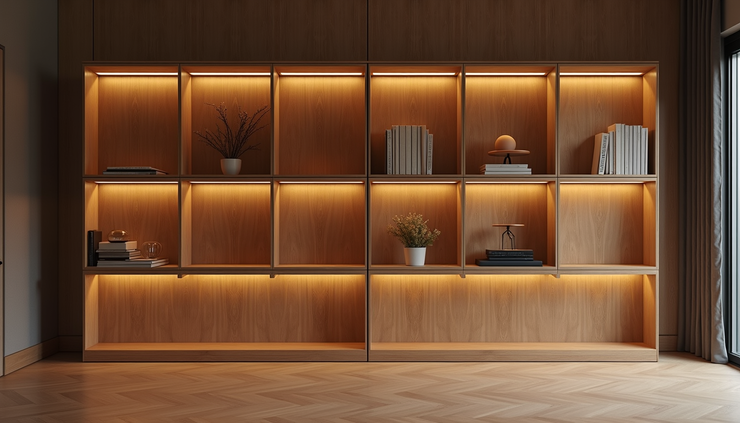
Integrated LED Lighting: Installed in shelving or moldings to create atmospheric lighting.
Recycled Wood Siding: For a sustainable and unique focal point.
Tips for Proper Woodwork Preservation
Keeping woodwork in good condition requires consistent attention. Here are some practical tips:
Regular Cleaning: Use soft cloths and specific wood-care products. Avoid using excessive water.
Moisture Control: Wood is easily damaged by high humidity. Keep spaces well-ventilated and use dehumidifiers if necessary.
Early Damage Detection: Check for cracks, mold, or termites early to prevent major structural issues.
Apply Protective Treatments: Periodically re-apply varnish, oil, or sealants to nourish and protect the material.
Prevent Scratches and Dents: Use protectors on furniture legs and door stops to minimize impact damage.
With these care steps, your woodwork can maintain its beauty and functionality for decades.


Comments