


Complete Guide to Choosing HVAC Elements and Useful Tips

Climate control (HVAC) is a fundamental aspect of any home renovation or workspace project. Choosing the right elements not only improves comfort but can also reduce energy consumption and increase property value. This guide offers practical advice for selecting climate control systems, the types available, and recommendations to ensure your renovation is a success.

Types of Climate Control Systems
Before deciding which system to install, it is important to understand the available options and their main characteristics.
Air Conditioning
Air conditioning is the most common system for cooling spaces. There are several modalities:
Split: Separate indoor and outdoor units; ideal for individual rooms.
Multi-split: Allows several indoor units to connect to a single outdoor unit, useful for cooling multiple rooms.
Portable: Easy to install and move, but less efficient and noisier.
Heating
To keep warm in winter, the most frequent options are:
Radiator Heating: Powered by gas or electric boilers.
Underfloor Heating: An invisible system that distributes heat evenly from the floor up.
Heat Pumps: Capable of both heating and cooling, making them an efficient and versatile option.
Combined Systems
Heat pumps and VRF (Variable Refrigerant Flow) systems allow for both cooling and heating with a single piece of equipment, optimizing space and energy consumption.
How to Choose the Right Elements for Your Renovation
Selecting the correct system depends on several factors that you should evaluate before starting the project.
Size and Layout of the Space
An oversized or undersized system can lead to unnecessary expenses or lack of comfort. To calculate the required power, consider:
Square footage of the area.
Ceiling height.
Thermal insulation of walls and windows.
Number of people occupying the space regularly.
Energy Efficiency
Look for equipment with an Energy Star or A++ rating (or higher). Although the initial price may be higher, the savings on electricity bills compensate for the investment in the long run.
Budget
Define how much you can invest and compare options. Sometimes, a more expensive system with better efficiency and durability proves more cost-effective over time.
Ease of Installation and Maintenance
Some systems require complex construction, while others are simpler to install. Also, consider the availability of technical service and replacement parts.
Practical Tips for a Successful HVAC Renovation
To ensure the renovation meets your expectations, follow these recommendations:
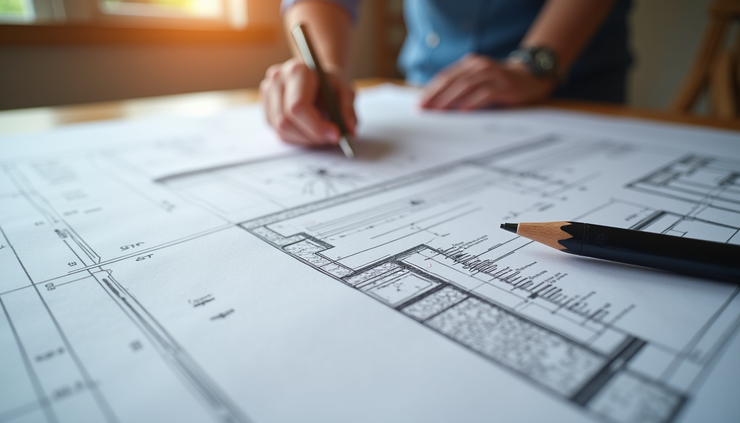
Plan Ahead: Consult with professionals to evaluate the best options based on your space and needs. A well-planned project avoids costly mistakes.
Improve Insulation: Before installing any system, check the thermal insulation of walls, ceilings, and windows. This reduces the load on the system and improves its performance.
Control Humidity: An environment with proper humidity levels improves thermal comfort and protects health. Some systems include dehumidification functions.
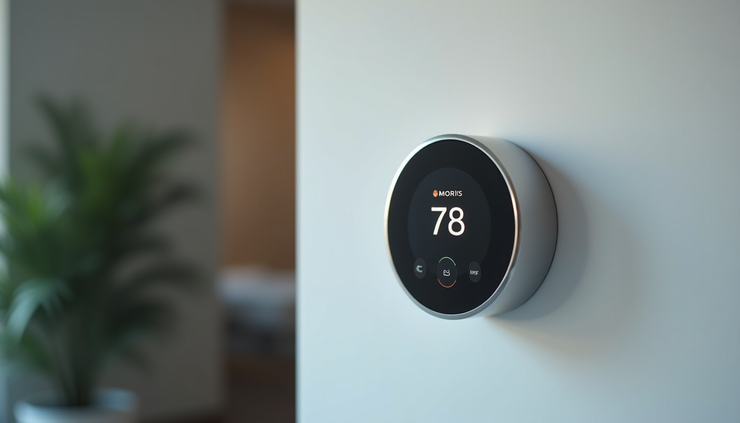
Install Programmable Thermostats: These allow you to adjust the temperature based on schedules and occupancy, saving energy while increasing comfort.
Consider Air Quality: Incorporate filters and ventilation systems to keep the air clean and healthy.
Legal and Regulatory Aspects
Before carrying out the renovation, check local regulations regarding climate control installations. Some jurisdictions require energy efficiency certificates or specific permits.
Summary and Next Steps
Choosing the right elements for climate control in a renovation requires analyzing the space, budget, and efficiency. Opting for modern and efficient systems improves comfort and reduces costs in the long term. Plan well, improve insulation, and use smart controls to get the most out of your investment.


Comments